Why the Same Spice Blend Tastes Completely Different in a Braise Than on a Salad
Quick Answer: Most of the aromatic compounds in dried spices are fat-soluble and many require heat to release, so a blend stirred into oil in a hot pan delivers dramatically more flavor than the same blend sprinkled on a cold dish. It’s not that the blend is wrong for salads — it’s that a cold, low-fat application extracts a fraction of what’s in it. Match the extraction method to the dish and one blend can do both.
You loved that spice blend in a stew. You put the same amount on a salad and it tasted like dust. The blend is fine. The extraction failed.

Why does heat change spice flavor so much?
Because most of what you’re after is locked in compounds that need heat and fat to get out.
Spice aromatics are largely fat-soluble. The essential oils that carry flavor in cumin, coriander, paprika, cinnamon, and most warm spices dissolve into fat far more readily than into water. Without a fat phase, most of the flavor stays in the ground particle and passes through your mouth undelivered.
Heat volatilizes them. Aromatic compounds need energy to move from the solid into the surrounding medium and then into the air where you can smell them. Room temperature provides very little of that energy. This is the whole reason blooming works — 30 to 60 seconds in warm oil transfers more flavor than an hour of sitting in a cold dressing.
Heat also creates new compounds. Toasting produces Maillard and pyrolysis reactions that generate flavors that weren’t in the raw spice at all. A toasted cumin is not a stronger raw cumin — it’s a different flavor, nuttier and rounder, which is why the same blend can taste like two different things.
Extended cooking changes the balance again. Volatile top notes cook off over a long braise while deeper, less volatile compounds persist. This is why a blend added at the start of a three-hour braise tastes different from the same blend added in the last ten minutes — and why many cooks do both.
What happens in a cold application?
You get the water-soluble fraction and very little else, which is a narrow and often harsh slice of the spice.
Cold, low-fat dishes extract poorly. A dry spice blend on a salad of leaves and vinegar has almost no fat phase to dissolve into and no heat to volatilize anything. You perceive the particulate texture and the sharper, water-soluble notes — which skew bitter and dusty — without the rounded aromatics.
This is why salads with dry spice sprinkled on top taste gritty rather than flavorful. The problem is delivery, not quantity, and adding more makes the grittiness worse rather than the flavor better.
The fix is to build the spice into the dressing. Whisk the blend into the oil first, let it sit for at least fifteen minutes, and then add the acid. The oil pulls out the fat-soluble compounds slowly at room temperature — much less efficiently than heat, but far better than nothing.
Better still, warm the oil briefly. Thirty seconds of gentle warming with the spices in it, then cool and build the dressing around it. This is a two-minute step that changes a cold dish more than any other single technique.
Some spices genuinely prefer cold. Fresh herbs, sumac, citrus zest, and freshly ground black pepper have volatile compounds that heat destroys. A blend heavy in these belongs raw, and heating it wastes it — which is the opposite failure and equally common.
How should you adapt one blend across different dishes?
Change the extraction step rather than the blend, and change when you add it.
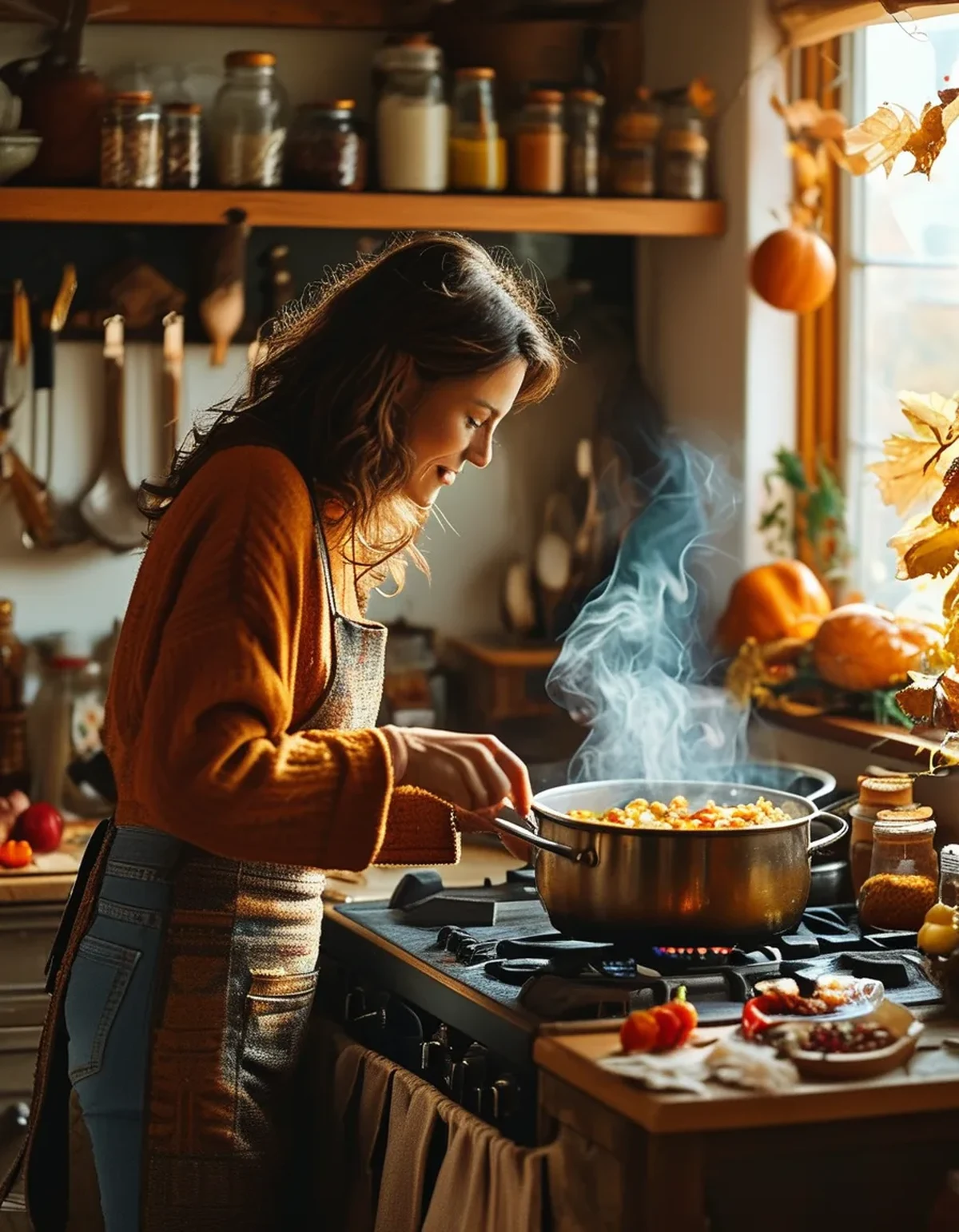
For braises, stews, and soups: bloom in fat at the start. Warm the oil, add the blend, stir 30 to 45 seconds until fragrant, then add aromatics and liquid. Reserve a pinch to add in the last five minutes — this restores the volatile top notes that cooked off, and it’s the difference between a stew that smells good and one that smells extraordinary.
For roasted vegetables: toss with oil first, then the blend. Spices applied to dry vegetable surfaces scorch at roasting temperatures; spices suspended in oil distribute and toast gently.
For salads and cold dishes: into the oil, warmed briefly if possible, rested fifteen minutes, then build the dressing.
For yogurt, dips, and dairy: these have their own fat, so cold infusion works reasonably well — but give it an hour in the fridge rather than serving immediately. Dairy-based applications improve more with resting time than almost anything else.
For finishing: a raw sprinkle works when the dish underneath is hot and fatty, because the dish does the extraction for you at the moment of eating.
Autumn note
This is the season blends migrate from summer’s cold applications into braises and roasts, and it’s why a blend you found underwhelming in July can be excellent in October. Before replacing a blend that disappointed you, try it in a hot fat application once.
5 Mistakes That Make Spices Taste Flat
1. Adding dried spices to liquid without a fat step. Dumping a blend into simmering broth extracts far less than 30 seconds in oil first. This is the most common reason a soup tastes under-spiced despite plenty of spice in it.
2. Blooming too long or too hot. Ground spices burn in well under a minute at high heat, and burnt spice is bitter in a way nothing rescues. Medium heat, 30–45 seconds, take it off when it smells strong.
3. Adding everything at the start of a long cook. Volatile compounds are gone after two hours. Split the addition — most at the start, a small amount at the end.
4. Sprinkling dry blend on a cold, low-fat dish. Almost nothing extracts. Build it into the oil instead.
5. Storing the blend above the stove. Heat, light, and steam degrade spices faster than anything else in a kitchen, and the cabinet above the range is the worst location in the house. A blend that tastes flat may simply be a blend that’s been cooked slowly for six months.
FAQ: Spice Extraction Questions, Answered
How long should I bloom ground spices?
30–45 seconds in medium-hot fat, until fragrant. Whole spices take longer, around 60–90 seconds.
Can I bloom in butter?
Yes, though butter’s milk solids burn sooner. Use medium-low heat, or use ghee, which tolerates more.
Does blooming work for every spice?
Not for delicate ones — fresh herbs, sumac, citrus zest, and ground pepper lose more than they gain. Add those at the end.
Why does my curry taste better the next day?
Extended contact time continues extracting fat-soluble compounds, and flavors distribute more evenly. Slow extraction continues in the fridge.
How much spice for a cold dressing versus a hot dish?
Cold applications typically need more spice for the same perceived flavor, but the better fix is warming the oil rather than increasing the quantity.
Is toasting whole spices worth the extra step?
For a blend you’ll use often, yes — it creates flavors that don’t exist in the untoasted version. Toast, cool completely, then grind.
TL;DR:
- Most spice aromatics are fat-soluble and need heat to release — cold, low-fat dishes extract a fraction of them
- Blooming in warm oil for 30–45 seconds delivers more flavor than an hour of cold contact
- Toasting creates new compounds rather than simply intensifying existing ones
- Split spice additions in long cooks: most at the start, a pinch at the end for the volatile top notes
- For cold dishes, whisk the blend into the oil first — warmed briefly if you can — before adding acid
- Delicate spices and fresh herbs are the exception and should stay raw
A blend that disappointed you in a salad may be excellent in a braise. Change the extraction before you change the blend.
Keep Reading
This article is for general informational purposes only and is not medical advice. Always consult a qualified health professional for guidance specific to you.