Why Acid Changes What Your Spices Taste Like More Than Heat Does
Quick Answer: Acid does not add flavour to spices — it changes how much of the flavour you can perceive, by cutting through fat, sharpening aromatic compounds and resetting your palate between bites. A dish that tastes flat despite plenty of spice is usually missing acid, not missing spice. A teaspoon of lemon juice or vinegar at the end will do more than another tablespoon of the blend.
You have tasted, added more spice, tasted again, added more. Four rounds of this.
The dish is now heavily spiced and still tastes like nothing in particular.
The missing ingredient is almost never the one you kept adding. Acid is what makes spice legible, and most home cooks reach for it last if at all.

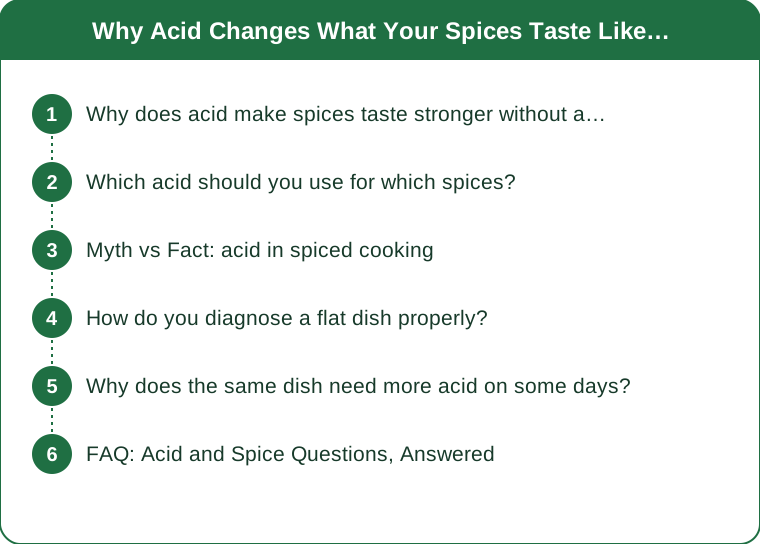
Why does acid make spices taste stronger without adding any?
Three separate mechanisms, working at once.
It cuts through fat. Fat coats your tongue and slows the release of aroma compounds. That is often desirable — it is why fat carries flavour and extends it — but too much of it and everything reads as muted and heavy. Acid disrupts that coating, so the aromatics reach your receptors faster and more sharply.
It raises contrast. Taste perception works on differences. A dish that is uniformly warm and savoury has nothing to push against, so your palate stops registering the individual notes within about three bites. Acid provides the edge that makes everything else stand out from it.
It resets between bites. This is the underrated one. A high-fat, low-acid dish gets duller as you eat it — bite eight tastes like less than bite two. A properly acidulated dish tastes as clear at the end as at the start, because each mouthful of acid clears the palate for the next.
So when you taste a curry and think needs more spice, the sensation you are having is usually needs more definition. More spice makes the muddle bigger. Acid makes the muddle resolve.
Which acid should you use for which spices?
They are not interchangeable, and the wrong one is worse than none.
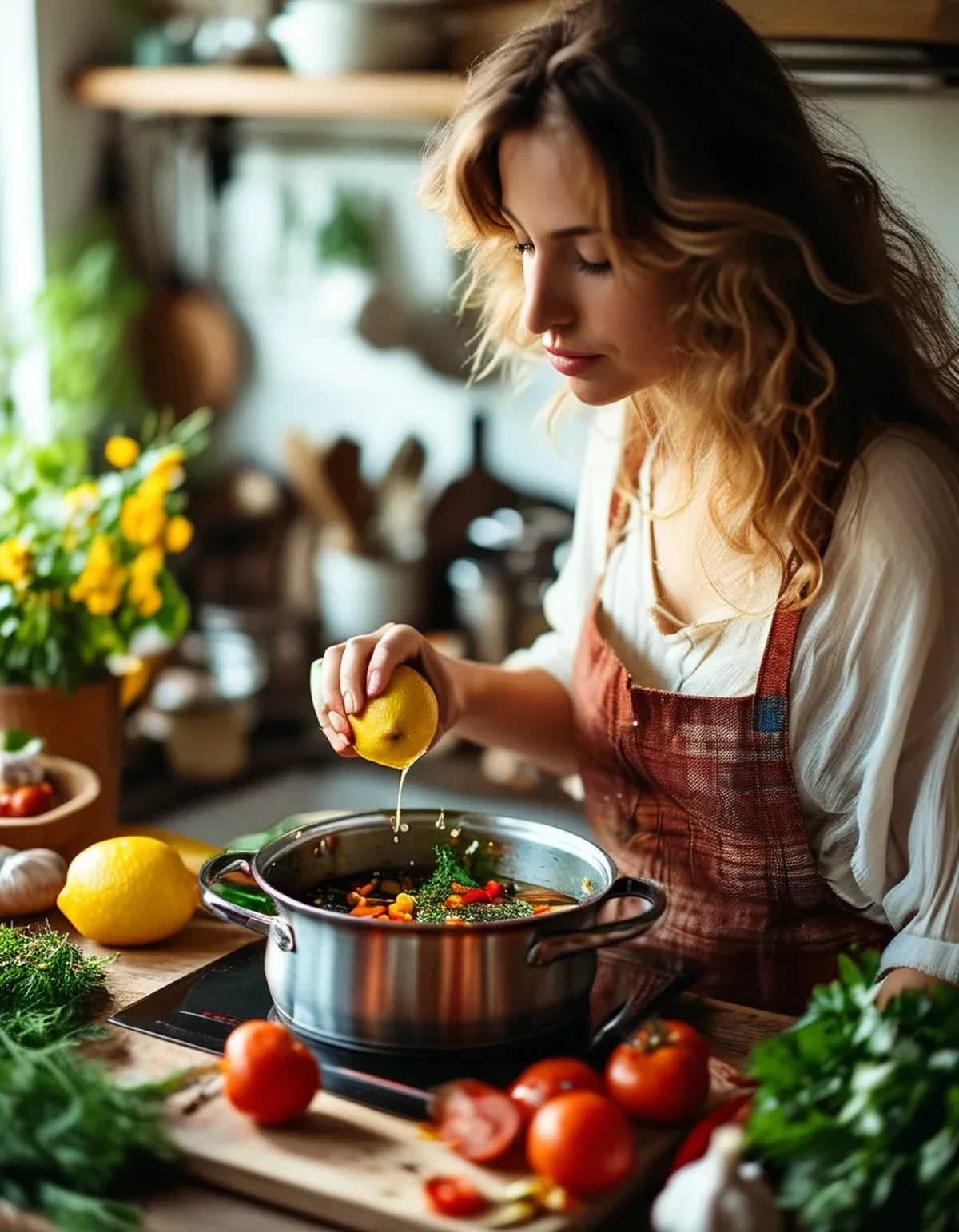
Lemon and lime — bright, floral, volatile. Best with cumin, coriander, chilli, cardamom and anything in a fresh or finishing role. The volatility is the point: it lifts. It is also why citrus should go in at the very end. Ten minutes of simmering removes most of what you added it for.
Vinegar (cider, wine, sherry) — sharper, less aromatic, more heat-stable. Best with paprika, smoked spices, mustard, caraway and anything braised. Can go in earlier and survive.
Tamarind — sour with body and a slight sweetness. Best with fenugreek, asafoetida, curry leaf, mustard seed. It brings its own weight, so it works where citrus would feel thin.
Yoghurt, buttermilk, sour cream — mild acid plus fat plus cooling. Best as a finish for anything with a lot of chilli, because it lowers perceived heat while raising perceived aroma. Never boil it.
Tomato — mild acid plus sweetness plus umami. Works everywhere, which is why it is in so many spice-heavy cuisines, but it is too gentle to rescue a genuinely flat dish on its own.
The rule of thumb: volatile aromatic spices want volatile acid, added late. Deep earthy spices want a heavier acid, added earlier.
Myth vs Fact: acid in spiced cooking
Myth: Acid makes food taste sour. Fact: Below a certain threshold, acid is not perceived as sourness at all — it is perceived as everything else being clearer. Most flat dishes need less acid than the cook fears, and the correct amount is usually the amount just before you notice it as sour.
Myth: If it needs a lift, add salt. Fact: Salt and acid do different jobs. Salt increases the intensity of what is there. Acid increases the definition. A dish that is salty and still flat is an acid problem, and adding more salt makes it inedible without fixing anything.
Myth: You should add the lemon while it cooks so the flavour blends in. Fact: Backwards for citrus. The aromatic oils and the bright top notes are volatile and cook off. Squeeze at the end, off the heat. Blending in is exactly what you do not want.
Myth: Acid ruins delicate spices. Fact: Acid changes them — saffron and turmeric shift colour and character in acidic conditions — but it rarely destroys them. The change is usually toward brighter and less rounded, which is often an improvement in a heavy dish.
Myth: A dish either needs acid or it does not. Fact: Nearly every spiced dish benefits from some. The genuine exceptions are few — a delicate dairy-based dish, and cooking where the acid has already arrived in another form.
How do you diagnose a flat dish properly?
Do this in order, and stop as soon as it works.
1. Taste it plain, then taste it with a single grain of salt. If one grain of salt makes it noticeably better, it is under-salted. Fix that first, because salt changes how everything else reads and diagnosing anything before it is settled wastes ingredients.
2. Taste it with a drop of lemon juice on the spoon. Not in the pot — on the spoon. If that spoonful suddenly has definition and the pot does not, you have your answer. Add acid a quarter-teaspoon at a time, tasting between.
3. Only now consider more spice. If salt is right and acid is right and it is still thin, then yes, it is under-spiced — and now you will actually be able to taste what you are adding.
4. If it is still flat, check the temperature. Food below about body temperature reads as significantly less flavourful. A dish that tastes flat straight from the fridge may be fine warm.
5. Last resort: fat. Sometimes flatness is too little fat to carry the aromatics at all. A knob of butter or a spoon of oil at the end can pull a dish together that acid could not.
The order matters. Most home cooks run this backwards, starting with more spice, and end up with a dish that has three times the seasoning it needs and still no clarity.
Why does the same dish need more acid on some days?
Because your palate is not a fixed instrument, and neither is your kitchen.
Your own sensitivity varies. A heavy cold, a very salty lunch, or a strong coffee immediately before cooking all shift what registers. If a recipe you know well suddenly needs adjusting, check yourself before you check the recipe.
Ingredients vary more than people expect. Late-summer tomatoes carry considerably more sugar and less acid than the ones you were cooking with in June, which is why a tomato-based dish that was perfectly balanced a month ago can taste flabby now. The same is true of onions as they get older through storage.
Your spices vary. Ground spices lose potency over months, so a blend that carried a dish in spring may genuinely be doing less work in autumn. If more acid is not fixing anything, smell the jar.
And the dish itself changes as it sits. A curry reheated the next day usually needs a fresh squeeze of citrus even if it was correct the night before — the volatile compounds have gone. Adding acid on reheating is not a correction; it is a standard step.
FAQ: Acid and Spice Questions, Answered
How much lemon is too much?
Practically, when you can identify it as lemon rather than as brightness. Add a quarter-teaspoon at a time and stop one addition before it announces itself.
Can I use bottled lemon juice?
For a cooked, heavy dish, yes. For a finishing squeeze, no — bottled juice has lost the volatile aromatics, which is exactly the part you are adding at the end for.
Does vinegar work as a substitute for lemon in any recipe?
Only in about half. Use it freely in braises, stews and anything smoky or paprika-led. Avoid it where you want floral lift — a cumin-and-coriander dish finished with vinegar tastes sharp rather than bright.
TL;DR:
- Acid does not add flavour — it cuts fat, raises contrast and resets your palate, which is what makes spice readable.
- Citrus late and off the heat; vinegar and tamarind earlier and with heavier, earthier spices.
- Diagnose in order: salt first, then a drop of acid on the spoon, then more spice — most cooks run this backwards.
- Reheated dishes need a fresh squeeze even when they were balanced the day before.
The habit worth building is keeping a lemon and a bottle of decent vinegar within reach of the stove rather than in the fridge and the back of a cupboard. Almost every flat dish you have made in the last year was two seconds and a quarter-teaspoon from being a good one — and once you start tasting on the spoon before you reach for the spice jar, you stop over-seasoning almost entirely.
Keep Reading
This article is for general informational purposes only and is not medical advice. Always consult a qualified health professional for guidance specific to you.