Why Ground Spices Fade in Months and Whole Ones Last for Years
Quick Answer: Flavor lives in volatile oils, and volatile means exactly what it sounds like — the compounds evaporate and oxidize on contact with air, light, and heat. Grinding a spice multiplies its exposed surface enormously, which is why ground cumin fades in six months to a year while the whole seeds hold their oils for three or more. Old spices are not unsafe, just absent — the test is smell, not the date stamp. Store everything cool, dark, and airtight, buy ground versions small, and keep a cheap dedicated grinder for the handful of spices where fresh grinding changes everything.
Your spice rack is not a collection. It is inventory with a clock on it.
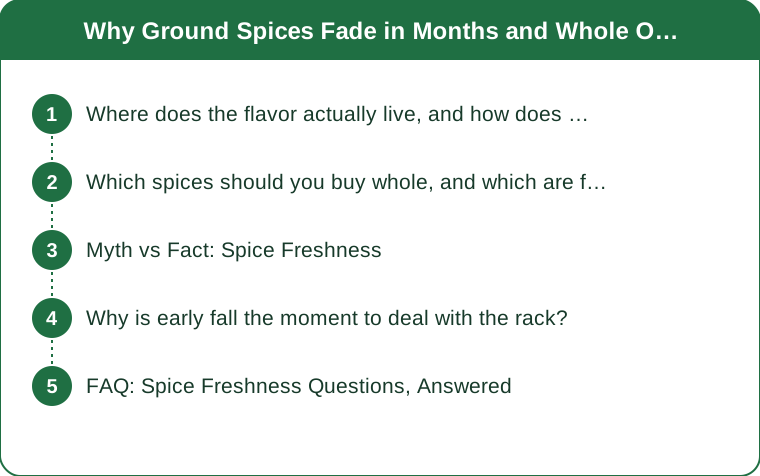
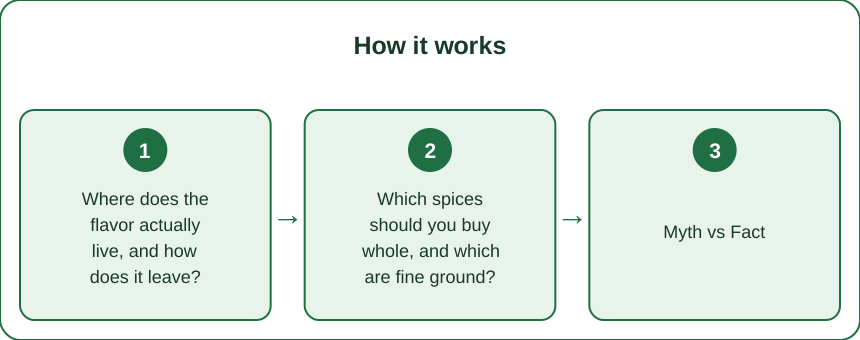
Where does the flavor actually live, and how does it leave?
In fragile oils, protected by structure — and grinding demolishes the structure.
Nearly everything you taste from a spice comes from volatile aromatic oils held inside the seed, bark, or root. Volatile compounds evaporate readily at room temperature and oxidize on contact with air, and both processes strip flavor permanently. A whole cumin seed is a sealed vault: hard shell outside, oils protected inside, losses limited to a slow seep. It stays potent for years.
Grind that seed and you shatter the vault into thousands of exposed particles — the surface area in contact with air multiplies enormously, and the evaporation and oxidation that trickled now pour. This is the whole story of ground spice decline: not spoilage, not decay, just the flavor physically leaving through the top of the jar every time it opens, and slowly even when it does not.
Four accelerants set the pace. Air — every opening exchanges the headspace. Light — UV degrades both color and oil compounds, which is why the clear jar on a sunny windowsill fades fastest. Heat — warmth speeds evaporation and oxidation together, making the cabinet directly above the stove the single worst address in the kitchen for a spice. And humidity, which cakes powders and invites the one genuine spoilage risk spices have.
Which yields the working numbers: ground spices give their best for six months to a year; whole seeds and pods run two to four years; whole nutmeg and cinnamon sticks longer still. Not deadlines — half lives. The jar of ground coriander from two moves ago is not dangerous. It is dust with a memory.
Which spices should you buy whole, and which are fine ground?
Split the rack by two questions: does grinding it fresh change the dish, and can you actually grind it at home?
Worth buying whole, always: cumin, coriander, cardamom, black pepper, fennel seed, and nutmeg. These are the biggest gap between fresh ground and jar ground — pepper from a mill and pepper from a shaker are barely the same ingredient, and cumin toasted whole then crushed is a different dish. All grind easily in a blade grinder or crack under a pan.
Fine to buy ground, in small jars: cinnamon and turmeric, because home equipment struggles with bark and dried root; paprika and chili powders, which are only sold ground — just buy the smallest size and expect a one year life; and any blend you use weekly enough to finish. The rule is not never buy ground. It is buy ground in quantities you will finish while it is alive. The warehouse club tub of ground anything is a false economy for all but the highest volume kitchens.
The equipment is one cheap decision: a basic blade coffee grinder, dedicated to spices, costs about the price of two jars and takes ten seconds per batch. Grind a week or two of cumin at a time and you get ninety percent of the fresh benefit with none of the ritual. Clean it by blitzing a spoonful of raw rice.
And for the jars mid decline, blooming is the rescue technique: thirty seconds in hot oil at the start of cooking wakes the remaining oils far better than a late sprinkle into liquid. It cannot resurrect the dead, but it flatters the middle aged — which, checked honestly, is most of the rack.
Myth vs Fact: Spice Freshness
Myth: spices expire and become unsafe after the date. Fact: dry spices are about as shelf stable as food gets — the date marks predicted flavor decline, not safety. The one true spoilage risk is moisture: a caked, clumped, or musty jar got wet and should go. Everything else is a potency question, answered by your nose.
Myth: the freezer keeps spices fresh forever. Fact: cold slows oil loss, but every trip out of the freezer invites condensation into the jar — and moisture is the actual enemy. Freezing makes sense for large backup quantities you decant from rarely. For the working rack, a cool dark cabinet beats a frosty commute.
Myth: red pepper flakes and chili powder last forever. Fact: red spices fade faster than most, in both heat and color, and old paprika contributes nothing but a dusty red tint. They are also the family most worth refrigerating in hot climates, since their oils go stale in warmth.
Myth: shaking the jar over the steaming pot is fine. Fact: the steam rises straight into the jar, delivering the humidity that cakes the powder and kills it early. Shake into your palm or a spoon away from the pot, then add. This one habit change is worth months of life per jar.
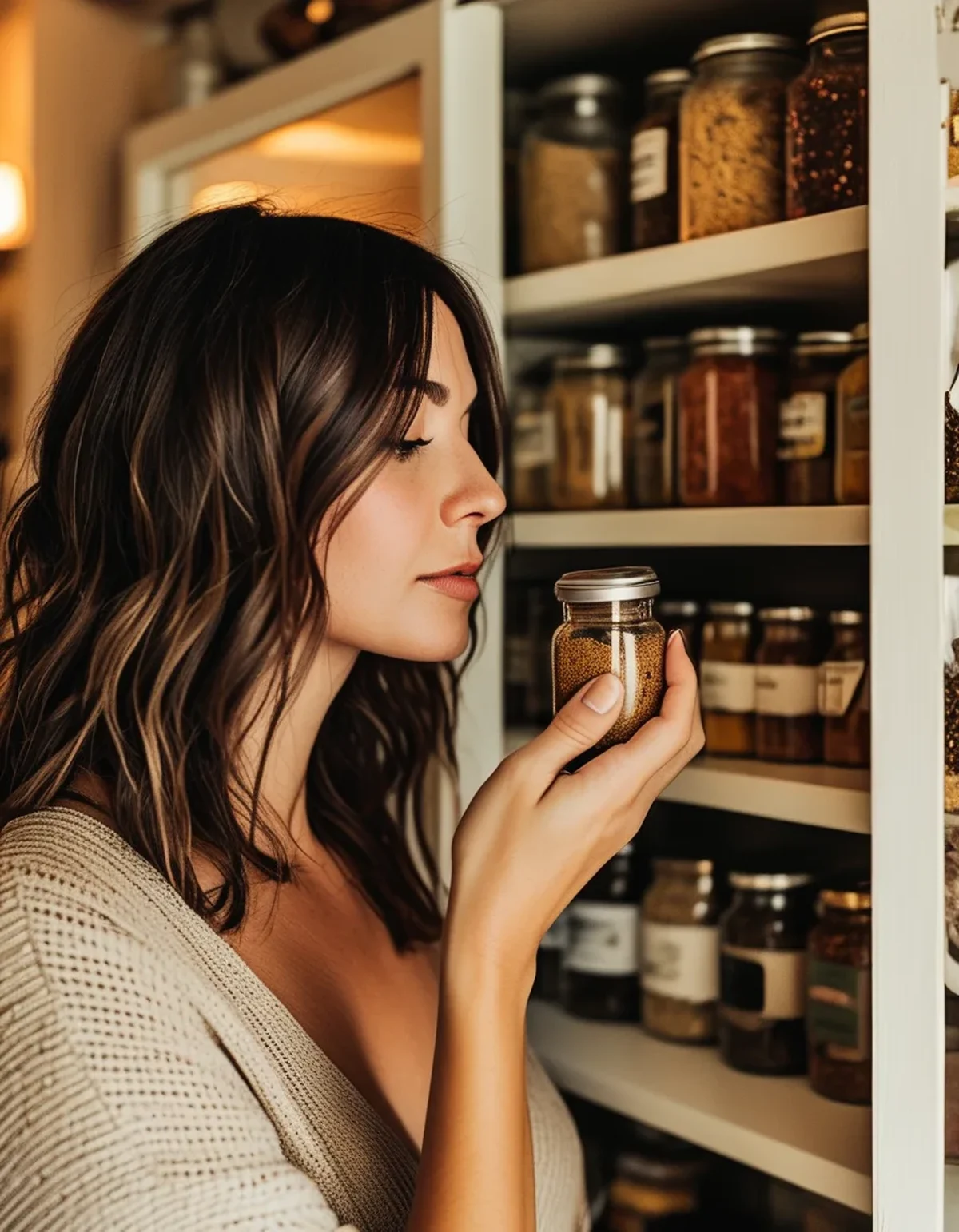
Myth: if the color still looks good, the flavor is still there. Fact: color outlasts aroma by a wide margin — pigments are sturdier than volatile oils. A jar can look vivid and smell like faint cardboard, and the smell is the truth. Rub a pinch between your fingers and inhale: bright and specific means alive, vague and dusty means done.
Why is early fall the moment to deal with the rack?
Because the two heaviest spice seasons of the year are about to hit the same shelf, and August heat has been quietly taxing it all summer.
Fall baking runs on the exact spices most likely to be old — cinnamon, nutmeg, ginger, cloves bought last October and dormant since. Before the first apple bake of September, run the pinch and sniff test on the baking row specifically: if the cinnamon does not smell like anything from six inches, the pie will agree. Replacing the big four before baking season costs a few dollars and upgrades everything from oatmeal onward.
Late summer preserving season is the whole-spice showcase. Pickling cucumbers, canning tomatoes, and quick pickling the garden surplus all call for whole mustard seed, coriander, peppercorns, and dill seed — bought whole, they will still be potent for next summer’s batch, which ground versions never manage.
And the summer just ended was hard on the rack. If your kitchen ran warm through July and August — especially any spices parked above the stove or near a sunny window — assume accelerated aging and let your nose re audit the marginal jars.
The practical fall reset, in fifteen minutes: pull everything, sniff ruthlessly, consolidate duplicates, and relocate the survivors to a cool, dark, dry cabinet away from the stove. Write the purchase month on new lids with a marker — future you cannot remember, and the single data point turns every future audit from guesswork into arithmetic.
A rack of twelve live jars cooks better than a rack of forty ghosts. Fall, with its soups and bakes and braises ahead, is when you will taste the difference weekly.
FAQ: Spice Freshness Questions, Answered
How do I actually test if a spice is still good?
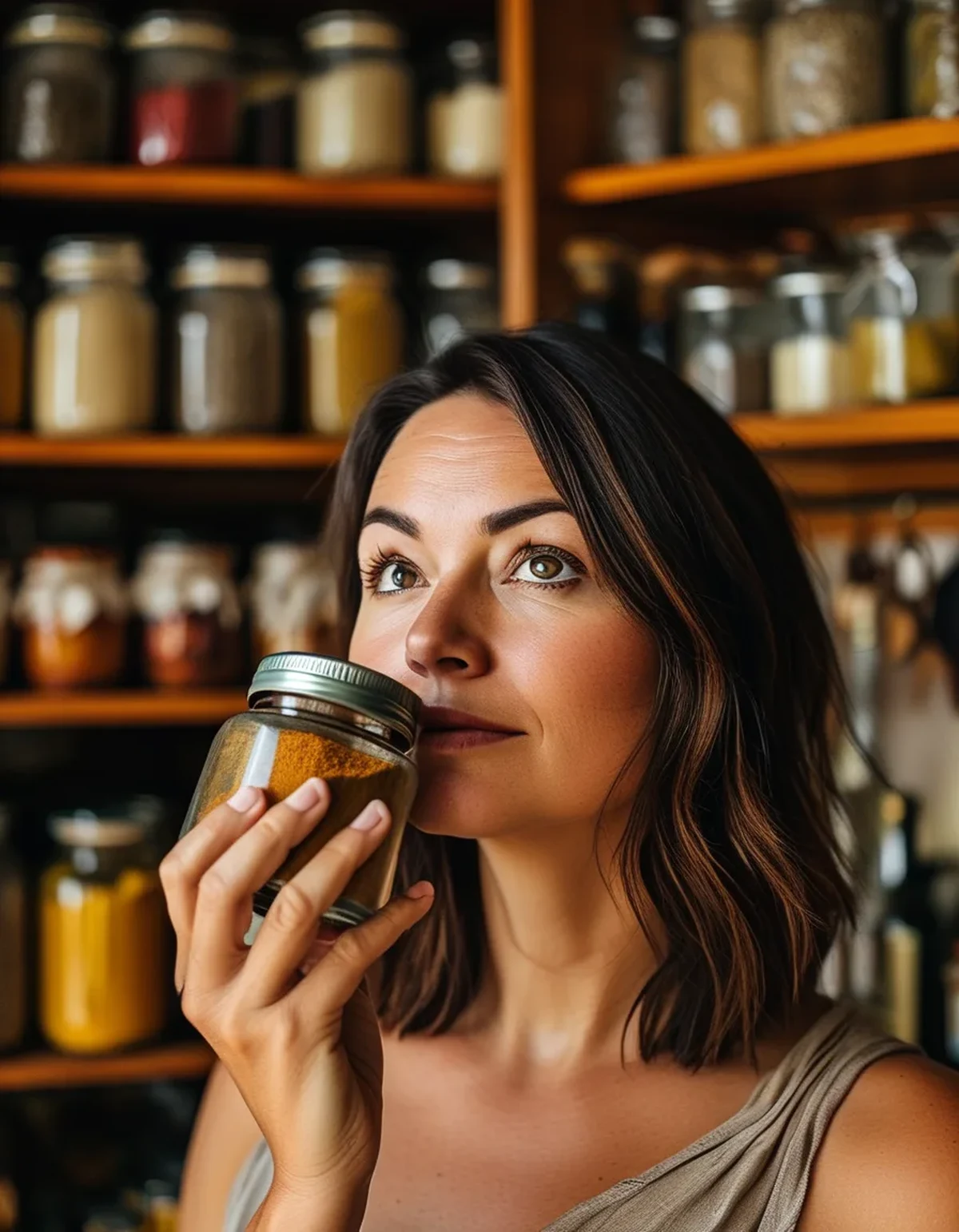
Rub a pinch between your fingers and smell within a few seconds. Alive smells immediate and specific — cumin smells like cumin, unmistakably. Dead smells generic, dusty, or like nothing. For whole seeds, crack one first; the vault has to open before you can judge the contents.
Is there any point using a faded spice?
Doubling the quantity recovers some ground, and blooming it in hot oil recovers more, but past a certain point you are adding texture, not flavor. Faded spices are also fine bulk for spice rubs where quantity is high and expectations are moderate. For anything the dish depends on, replace.
Are expensive brands actually fresher?
Often the meaningful difference is turnover and packaging rather than the spice itself — a busy store’s house brand may be fresher than a premium jar that sat two years. Buying from stores with bulk bins or high turnover, in small amounts, beats brand loyalty. Ethnic groceries are routinely the best freshness per dollar in town.
What is the single best storage upgrade?
Move the rack away from the stove and out of the light — the pretty countertop carousel next to the burners is a flavor incinerator. Second best: shake into your hand, never over the steaming pot.
TL;DR:
- Flavor is volatile oil, whole spices are sealed vaults, and grinding multiplies the escape routes — hence months versus years.
- Buy cumin, coriander, cardamom, pepper, fennel, and nutmeg whole with a cheap dedicated grinder; buy the rest ground but small.
- Store cool, dark, airtight, never above the stove, never shaken over steam — and trust your nose over any date stamp.
- Audit the baking row before fall baking season and stock whole seeds for late summer pickling, with purchase months written on the lids.
Go sniff your cumin right now. If it smells like a memory of cumin, you have your weekend errand — and your cooking is about to get noticeably louder.
Keep Reading
This article is for general informational purposes only and is not medical advice. Always consult a qualified health professional for guidance specific to you.