Organize Your Spice Rack by Usage, Not Alphabet — Here's Why It Actually Works
Quick Answer: Group spices by how often you use them, not alphabetically — daily spices (salt, pepper, garlic powder, cumin) go at eye level and arm’s reach, occasional ones go higher or deeper, and rarely-used ones can move to a separate bin entirely. This cuts cooking friction and surfaces which jars need replacing.
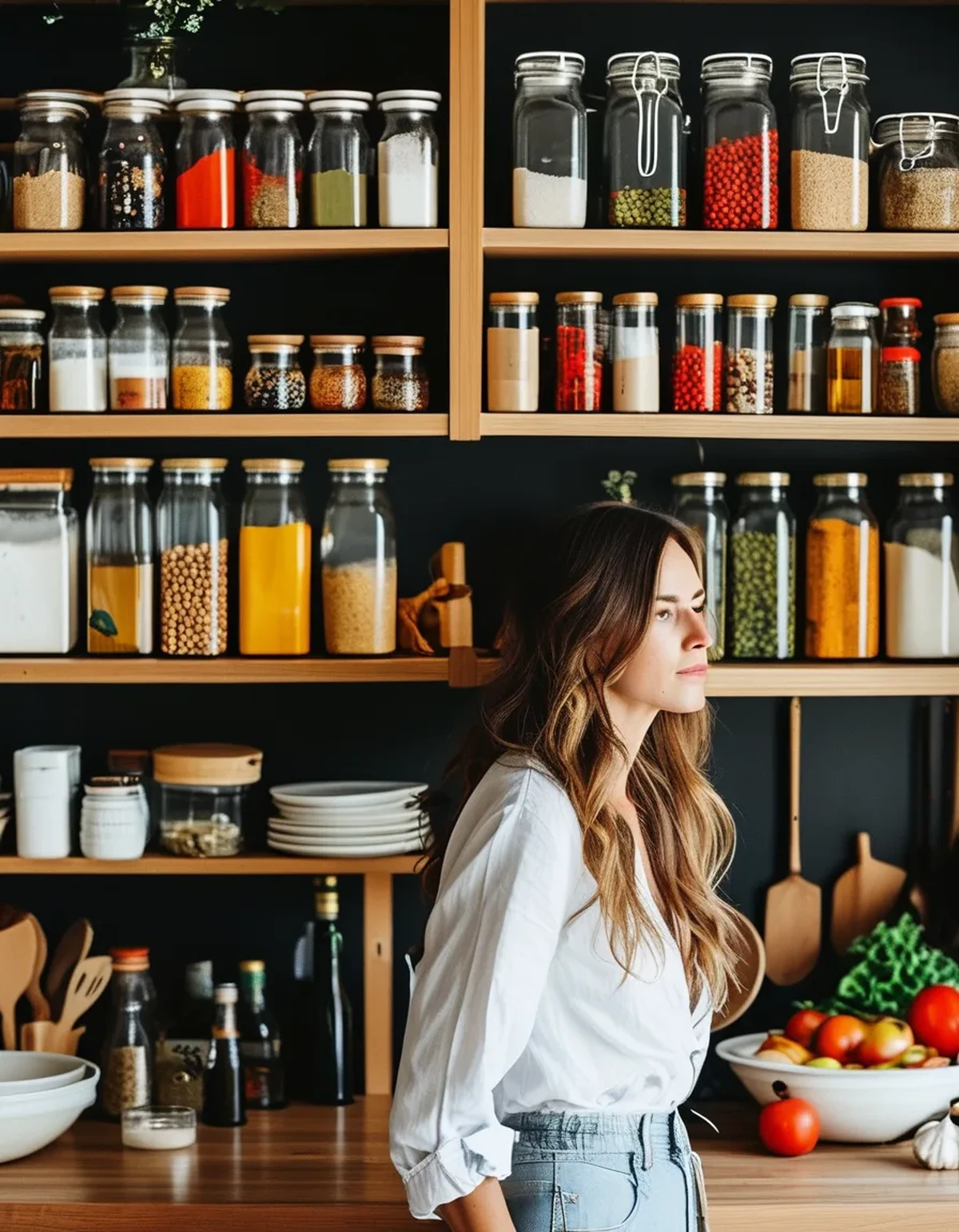
Alphabetical order photographs beautifully, but it scatters your 5 daily-use spices across three different shelf heights while grouping cardamom next to cayenne — pretty, but useless mid-recipe with something on the stove.

Why does usage-frequency beat alphabetical order?
Because cooking isn’t a lookup task, it’s a repeated-motion task. You reach for the same 6-8 spices constantly (salt, pepper, garlic powder, onion powder, cumin, paprika, chili powder, oregano for most home cooks) and rarely-used ones (saffron, sumac, fennel pollen) maybe twice a year.
Alphabetical order treats every spice as equally likely to be needed next, which is never true in practice. Usage-based organization matches the shelf to your actual cooking pattern.
How do you actually set this up?
Tier 1 (eye level, front row): your 6-8 daily spices, in whatever order is fastest for your hand to find blind.
Tier 2 (shelf above or below): weekly-use spices — the ones for a specific cuisine or dish type you make regularly.
Tier 3 (back of a cabinet or separate bin): occasion spices you use a few times a year. Label the bin clearly so you’re not hunting when a recipe calls for one.
This takes 20 minutes to set up once and saves that time back within your first few cooking sessions.
What Nobody Tells You About Spice Freshness
Reorganizing by usage does something alphabetical order never will: it makes staleness visible. When your daily-use tier empties fast and your Tier 3 bin sits untouched for a year, you can see at a glance which jars are past useful potency — ground spices lose meaningful flavor within 1-2 years, whole spices last 3-4.
Most people don’t discover a stale spice until a dish tastes flat mid-cooking. Usage-based storage surfaces the problem before that happens, not after.
Does storage location affect flavor loss too?
Yes — heat, light, and humidity all accelerate flavor degradation, so a rack directly above the stove (common for aesthetics) actually speeds up potency loss from every jar in it, regardless of organization system.
A cabinet or drawer away from heat sources preserves flavor longer. If you want spices visible near the stove for convenience, keep only your Tier 1 daily spices there and accept slightly faster turnover on those — you’ll use them up before staleness matters anyway.
FAQ: Spice Storage Questions, Answered
How many spices does the average home cook actually need daily?
Most recipes draw from a core set of 6-10 — salt, pepper, garlic powder, onion powder, and 3-6 others depending on cuisine preference. Everything else is genuinely occasional.
Should I keep spices in their original containers?
Uniform jars look nicer and often seal better, but original containers are fine functionally as long as they’re airtight. Prioritize sealing over aesthetics if flavor retention matters more to you.
How do I know if a ground spice has actually gone bad?
It won’t spoil unsafely, but it loses potency. Rub a pinch between your fingers — if the aroma is faint or nonexistent, it’s lost most of its usefulness even if it’s technically still edible.
TL;DR:
- Organize by how often you actually cook with each spice, not alphabetically
- Daily spices at eye level and arm’s reach; occasional ones further back
- Usage-based storage makes stale, rarely-used jars visible instead of hidden
- Keep heat-exposed spots (near the stove) for only your fastest-turnover spices
A 20-minute reorganization saves real time on every cooking session after — and finally makes it obvious which jars need replacing.
Keep Reading
This article is for general informational purposes only and is not medical advice. Always consult a qualified health professional for guidance specific to you.