Why Your Spice Blend Tastes Bitter Instead of Flavorful
Quick Answer: Bitterness in spice blends usually comes from over-toasting or burning ground spices in oil — lowering the heat and reducing bloom time fixes it almost every time.
You followed the recipe exactly. The dish still came out with a faint bitter edge instead of the warm depth you were expecting.

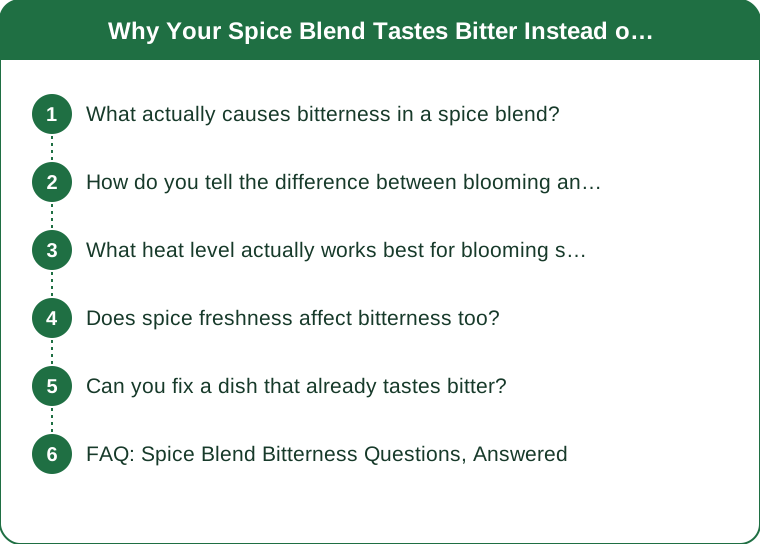
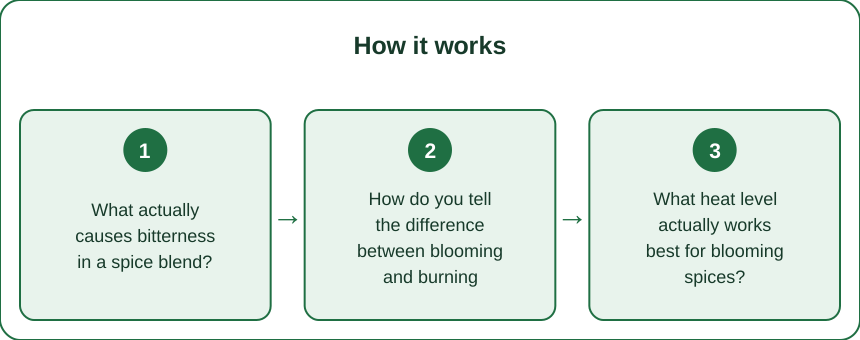
What actually causes bitterness in a spice blend?
Ground spices, especially ones with high oil content like cumin, coriander, and chili powder, can scorch quickly when added to hot oil, releasing bitter compounds within just seconds of overheating. This is different from properly blooming spices, which develops flavor rather than burning it, and the line between the two is thinner than most home cooks expect.
How do you tell the difference between blooming and burning spices?
Properly bloomed spices develop a deeper, more fragrant aroma within about 30-60 seconds in oil over medium heat, while burnt spices develop a sharp, slightly acrid smell almost immediately and turn noticeably darker than their usual color. If your kitchen smells slightly scorched rather than warmly fragrant, the spices have likely gone too far.
What heat level actually works best for blooming spices?
Medium-low heat, not medium-high, gives spices enough time to release their aromatic oils without scorching. Because ground spices have much more surface area than whole spices, they burn considerably faster, so if a recipe doesn’t specify heat level, erring toward lower and slightly longer is safer than higher and shorter.

Does spice freshness affect bitterness too?
Yes, indirectly — very old, stale ground spices sometimes taste flat or slightly bitter on their own even without any burning involved, since some of the volatile aromatic compounds degrade over time and leave behind more of the less pleasant background notes. If bitterness persists even with careful low-heat blooming, checking the spice’s age is a reasonable next step.
Can you fix a dish that already tastes bitter?
A small amount of acid (lemon juice or vinegar) or a touch of sweetness (a pinch of sugar or a splash of coconut milk) can meaningfully mask mild bitterness in a finished dish, though it won’t fully reverse heavily scorched spices. For next time, the more reliable fix is preventing the scorch in the first place rather than trying to correct it after the fact.
FAQ: Spice Blend Bitterness Questions, Answered
Does this happen with whole spices too, or just ground?
Whole spices are more forgiving since they have less surface area exposed to heat, but they can still scorch if left in hot oil for too long without stirring.
Is bitterness from burnt spices a food safety issue?
No, it’s a flavor issue rather than a safety concern, though it can make a dish unpleasant enough to want to start over.
Should I add spices at the start or end of cooking to avoid bitterness?
Blooming spices briefly in oil at the start of cooking (correctly, at moderate heat) develops flavor best; adding raw ground spices very late in cooking without any blooming step often tastes flat and underdeveloped by comparison.
TL;DR:
- Bitterness usually comes from scorching ground spices in oil
- Bloom spices over medium-low heat for about 30-60 seconds, not longer
- Stale spices can also contribute a flat, slightly bitter background note
- A touch of acid or sweetness can rescue a mildly bitter finished dish
Next time a dish tastes bitter instead of rich, check your heat level first — it’s almost always the culprit, not the recipe.
Keep Reading
This article is for general informational purposes only and is not medical advice. Always consult a qualified health professional for guidance specific to you.