How Long Do Dried Spices Actually Last? The Real Shelf Life Guide
Quick Answer: Ground spices lose meaningful potency after 2-3 years, whole spices after 3-4 years, and dried herbs after 1-2 years — none of them become unsafe to eat past these windows, they just deliver noticeably less flavor. The real test isn’t a date on the jar, it’s smell: if it doesn’t smell like much, it won’t taste like much either.
That jar of cumin in the back of the cabinet probably isn’t dangerous. It’s also probably not doing much for your cooking anymore, and most people can’t tell the difference just by looking at it.
Why don’t spices actually ‘expire’ the way milk or meat does?
Dried spices have very low moisture content, which makes them inhospitable to the bacteria and mold that spoil perishable food. What they lose over time isn’t safety — it’s the volatile aromatic oils responsible for flavor and smell, which slowly evaporate and degrade through oxidation regardless of how well the spice is stored.
This is why an old spice won’t make you sick — it’ll just make your dish taste flatter, because the compound doing the actual flavor work has quietly thinned out.
What’s the actual timeline, spice by spice?
Whole spices (peppercorns, cinnamon sticks, whole cumin seed): 3-4 years — the intact structure protects the aromatic oils inside longer than a ground form does.
Ground spices (paprika, ground cumin, chili powder): 2-3 years — grinding exposes more surface area to air, accelerating the oil loss.
Dried herbs (oregano, thyme, basil): 1-2 years — leaves have thinner structure and generally weaker oil retention than seeds or bark-based spices.
These are potency windows, not safety cutoffs — a 5-year-old ground cumin is still safe, just much weaker.
Does the smell test actually work better than checking dates?
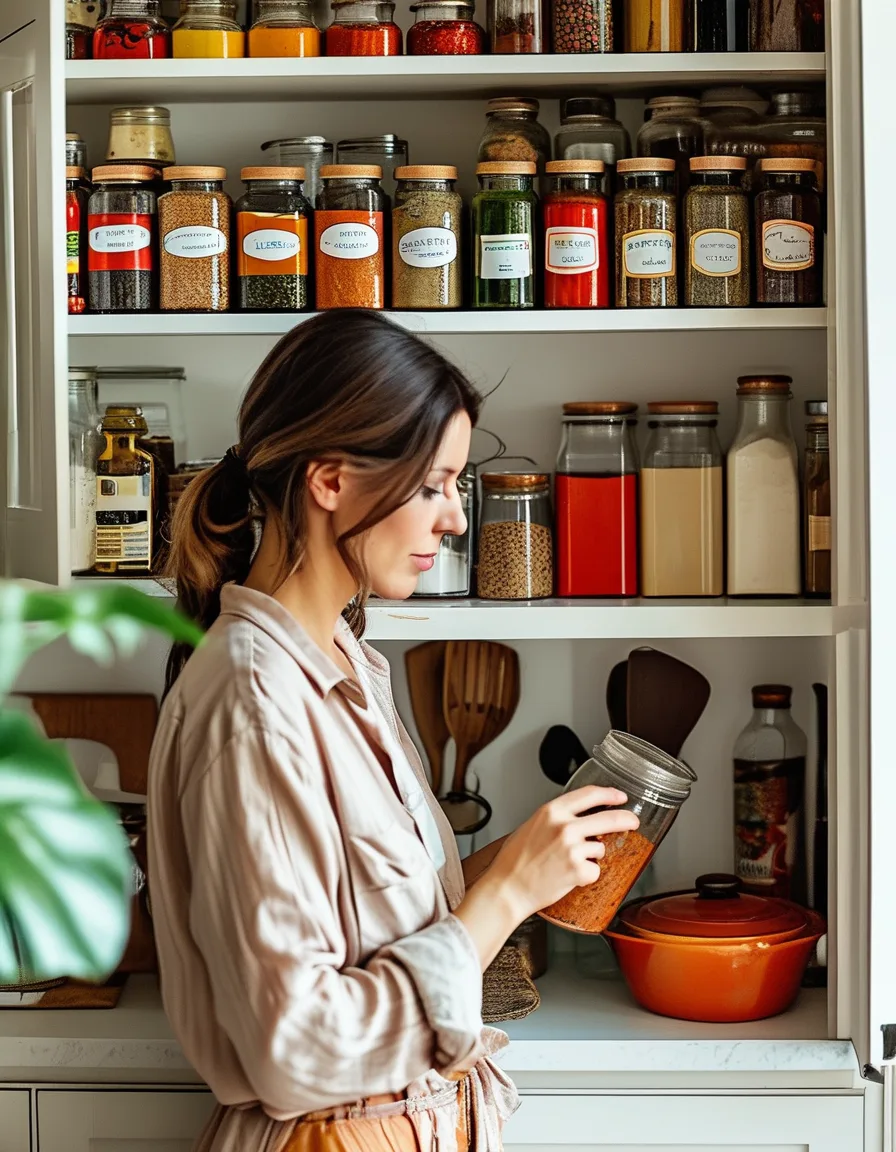
Yes — crush or rub a small amount between your fingers and smell it immediately. A spice with real remaining potency will smell distinctly like itself, often sharply so. A spice that smells faint, dusty, or barely different from the surrounding air has lost most of its useful aromatic compounds regardless of what any printed date says.
This test is more reliable than a purchase date because storage conditions (heat, light, humidity) affect degradation speed more than time alone — two jars bought the same day can age very differently depending on where they sat.
What storage habit shortens spice life the most?
Storing spices in a cabinet directly above the stove — the single most common spice-storage mistake. Heat from cooking dramatically accelerates the breakdown of aromatic oils, meaning spices stored there can lose meaningful potency in a fraction of the time compared to a cooler, darker cabinet elsewhere in the kitchen.
Light exposure has a similar, if smaller, effect — clear glass jars on an open shelf in direct sun degrade faster than the same spice in a closed, opaque container in a cabinet.
FAQ: Dried Spice Shelf Life Questions, Answered
Should I buy whole spices instead of ground to make them last longer?
If you use a spice grinder or mortar and pestle regularly, yes — whole spices ground fresh right before cooking deliver noticeably more flavor than pre-ground spices that have been sitting for months, even from the same original batch.
Do salt-based spice blends expire differently than pure spices?
Salt itself doesn’t degrade, so blends with a high salt content tend to hold perceived flavor slightly longer than pure ground spice, though the non-salt aromatic components still fade on the same general timeline.
Is it worth buying spices in bulk to save money if they lose potency?
Only if you’ll realistically use the full amount within the potency window for that spice type — bulk savings are false savings if half the jar ends up weak and gets thrown out.
TL;DR:
- Old spices aren’t unsafe, they’re just weaker — potency fades, safety doesn’t
- Whole spices last 3-4 years, ground 2-3 years, dried herbs 1-2 years
- The smell test (crush and sniff) is more reliable than any printed date
- Never store spices directly above the stove — heat accelerates potency loss significantly
If you’re not sure about a jar, the smell test takes five seconds and tells you more than the label ever will.
Keep Reading
This article is for general informational purposes only and is not medical advice. Always consult a qualified health professional for guidance specific to you.